Avionics HMI SDK Tools
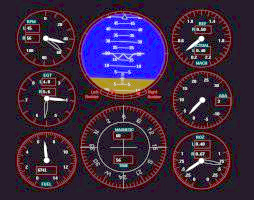
The GLG Toolkit by Generic Logic provides an extensive set of Software Development Kit (SDK) tools for building dynamic, high-performance avionics Human-Machine Interfaces (HMIs) and cockpits. It features pre-built avionics components (dials, tapes, MFDs, PFDs) and cross-platform support across Web, Desktop, and Embedded targets.Key GLG Toolkit SDK Tools for AvionicsGLG Graphics Builder: A point-and-click graphical HMI editor used to design custom avionics screens, define dynamic behaviors, and link graphic elements to real-time data.Pre-built Avionics Widgets: Includes an extensive palette of aviation-specific instruments like altimeters, artificial horizons, compass roses, vertical speed indicators, and engine gauges.GLG HMI Configurator: A simplified viewer tool that allows end-users to customize and adjust display properties during runtime without modifying the source code.Cross-Platform Deployment: Allows screens designed in the builder to run natively on desktops, web browsers, and embedded ARM systems (like DO-178 compatible hardware).Supported Programming EnvironmentsWeb & Mobile: JavaScript, React, Angular, and Next.js for high-performance HTML5 canvas rendering.Desktop: C/C++, C#/.NET, Java.Embedded: C/C++ libraries for embedded Linux and real-time operating systems (RTOS) on ARM boards.To explore the software features in-depth, access the full documentation and view sample dashboards on the Generic Logic Product Page. You can also test these features for yourself by downloading the free trial on the GLG Toolkit Download Page.If you want, I can help you with:GLG integrations with specific environments (like C++ or Web/React)Information on avionics-specific widget palettesSystem requirements for embedded displaysLet me know how you would like to proceed.
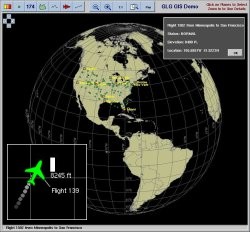
The GLG Toolkit by Generic Logic is a cross-platform graphical framework used to design and deploy real-time Human-Machine Interfaces (HMIs). For aerospace and aviation systems, it serves as an Avionics HMI SDK to build complex graphical layouts—such as primary flight displays, navigation cockpits, and telemetry dashboards—without writing tedious, low-level graphics code.The critical software tools, components, and target SDK libraries included in the framework span several core elements:1. Integrated Development & Design ToolsGLG Graphics Builder: A point-and-click, object-oriented vector graphics editor. Developers use it to visually design flight instrument overlays, map layers, and cockpits, as well as define multi-state behaviors, blinking alerts, rotations, and fluid animations.GLG HMI Configurator: A lightweight, streamlined version of the builder. It allows end-users or maintenance technicians to tweak display arrangements or swap components out without breaking core application code.2. Pre-Built Avionics Widget SetRather than creating instruments from scratch, the toolkit utilizes a dedicated, highly customizable Avionics Widget Pack containing:Attitude Director Indicators (ADI) and Artificial HorizonsHorizontal Situation Indicators (HSI) and AltimetersAirspeed / Vertical Speed Indicators and Turn CoordinatorsCompass roses, strip charts, and telemetry status panels3. Multi-Platform Runtime SDKsOnce the avionics layouts are compiled into a resolution-independent format (.g files), they are powered at runtime via platform-native SDK engines:Embedded Systems Engine: Supports specialized ARM-based boards (ARMv6, ARMv7, ARMv8/ARM64) running real-time operating systems (RTOS) or embedded Linux.Desktop & Legacy Systems SDK: Native C/C++ DLLs and libraries for critical Windows and Unix/Linux infrastructure, alongside C#/.NET and Java APIs.Web & Mobile Deployments: Uses high-performance HTML5 canvas graphics via pure JavaScript or integrations with modern frameworks like React, Angular, and Next.js.4. GIS & Connectivity InfrastructureGLG GIS Map Server: An optional, completely self-contained map server that works offline without needing internet access. It handles geographic projection layering, real-time aircraft position mapping, and terrain tracking data.GLG Data Gateway & Open Data API: Bridges live telemetry data structures and backend data acquisition systems directly to the visual variables mapped in the flight displays.If you are evaluating this software for an upcoming project, could you let me know:What operating system or embedded board will the display run on? (e.g., VxWorks, Linux, ARM?)Which programming language do you plan to develop your system architecture in?This will help tailor specific integration steps for your project.
Reference image showing features of Glg Toolkit
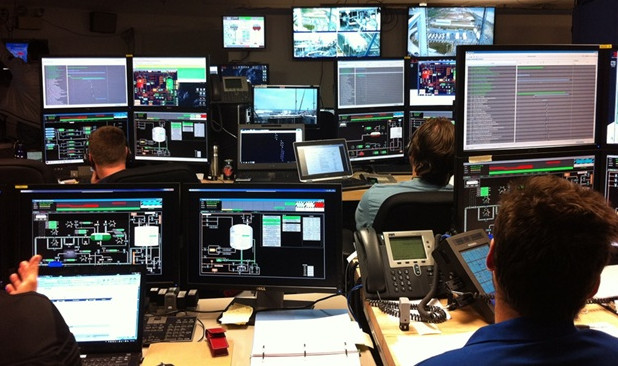
The GLG (Generic Logic) Toolkit is an advanced software framework used to build highly customizable, real-time Human-Machine Interfaces (HMIs) for web, desktop, and embedded systems. In the avionics industry, it serves as an SDK for designing complex, data-driven flight displays, telemetry screens, and mission-critical cockpits.Avionics Use CasesPrimary Flight Displays (PFD): Renders dynamic, vector-based visuals for airspeed, altitude, and artificial horizons with zero lag.Engine Indicating & Crew Alerting Systems (EICAS): Displays real-time engine metrics, warnings, and alerts.GIS & Moving Maps: Supports integrated map servers for flight path tracking and terrain visualization.Air Traffic Control (ATC): Visualizes live radar data, weather telemetry, and network monitoring.Test & Simulation: Used by engineers for building ground-station telemetry and operator control rooms
Downlaod - Avionics HMI SDK Tools
Request for Trial licence
Download User Guide & reference manual
In avionics and aerospace, Human-Machine Interface (HMI) Software Development Kit (SDK) tools are critical for creating cockpit displays, mission control dashboards, and telemetry visualization systems.The GLG Toolkit by Generic Logic is heavily utilized in these mission-critical environments. It provides a rapid prototyping and deployment pipeline through its cross-platform graphics engine and HMI editors.Core Use Cases of the GLG Toolkit in Avionics1. Cockpit Primary Flight Displays (PFD) & Navigation InstrumentationDevelopers use the GLG Graphics Builder to construct complex, resolution-independent vector graphics for glass cockpits.Dynamic Instruments: Building real-time dials, altimeters, vertical speed indicators, and custom airspeed gauges.Attitude Indicators: Creating cross-platform artificial horizons that handle fast update frequencies seamlessly.Cross-Platform Portability: A single instrument design can be compiled for an onboard C/C++ embedded system (ARM boards), an engineering C# desktop app, or a browser-based simulator (JavaScript/React).2. Air Traffic Control (ATC) & Telemetry Monitoring PanelsManaging hundreds of concurrent data streams requires massive data throughput.High-Performance Charts: The toolkit's charting engine plots tens of thousands of real-time telemetry data points (altitude, fuel burn, engine thermals) with minimal CPU overhead.Radar & Traffic Overlays: Using the GLG Map Server, developers lay telemetry icons directly onto localized, vector GIS maps that operate autonomously without an internet connection.3. Unmanned Aerial Vehicle (UAV) Ground Control Stations (GCS)Ground operators need high-utility dashboards to track drones and remotely controlled aircraft.Web and Mobile Portability: Leveraging the HTML5 canvas-driven GLG JavaScript Library, developers integrate operational dashboards directly into React, Angular, or Next.js web applications for mobile or remote field devices.Dual Monitoring & Control: Interfaces handle bidirectional tracking—simultaneously reading sensor payloads and capturing operator inputs to stream back to the aircraft.4. Hardware-in-the-Loop (HIL) Flight Simulators & Training Rig DesignBefore deploying to real hardware, avionics logic must be rigorously tested.Rapid Prototyping: Systems engineers use the GLG HMI Configurator to drop pre-built dials and switches into test layouts, wiring them directly to simulation backends via the Open Data API.Dynamic Introspection: The intermediate and extended APIs allow the testing architecture to query or dynamically insert HMI objects at runtime to simulate unexpected instrumentation failures.Why GLG Toolkit is Chosen Over "Black Box" AlternativesCapabilityStrategic Value to Avionics DevelopmentData Agnostic ArchitectureConnects directly to any custom military or commercial telemetry backend via an Open Data API.No Deep Code InheritanceUses a flat object engine where changing attributes (e.g., color, width) instantly registers without rewriting complex display pipelines.Embedded SupportFull runtime optimization for ARM-based systems (ARMv6 to ARM64), including NVIDIA Jetson and single-board embedded systems.End-User CustomizationAllows system OEMs to distribute a simplified HMI configuration environment so fields operators can modify screen layouts safely.Are you looking to evaluate the GLG Toolkit for a specific hardware target (like an ARM board), or are you comparing its performance against alternative avionics suites like DiSTI GL Studio or Ansys SCADE?