Dynamic Shield with Drone Swarm
Dynamic Shield with Drone Swarm using vsTASKER tool , a specialized tactical simulation framework and portfolio project built within the vsTASKER environment. vsTASKER is a versatile software developer kit (SDK) for defense and civilian scenario simulations, while "Dynamic Shield" is one of its core simulation modules. Core Differences and Capabilities

vsTASKER: The foundational software. It is a visual scenario editor that generates C++ code. Analysts and engineers use it to model physical environments, run stress tests with up to 20,000 entities, and simulate complex rules-based behaviors and machine learning logic.

Dynamic Shield: The tactical framework built on top of vsTASKER. It is specifically designed to test how swarms of autonomous drones interact in the field. It evaluates how groups of drones can coordinate to intercept threats, act as a mobile defensive perimeter, or launch counter-attacks. How They Work TogetherWhen you look at the pairing, you are essentially looking at a software engine (vsTASKER) and its built-in application (Dynamic Shield).

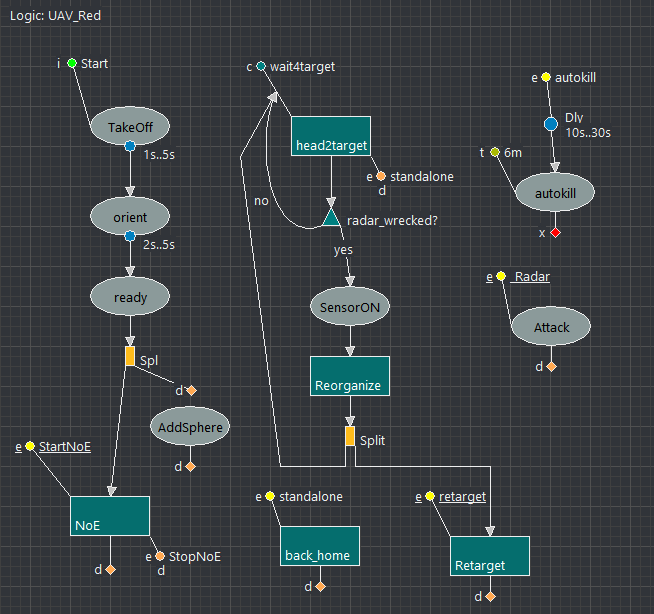
Behavioral Modeling: vsTASKER allows users to establish the "Game of Life" algorithms and individual rules of engagement for each drone.

Tactical Execution: Dynamic Shield applies these rules to a swarm of explosive, defensive, or surveillance drones to see how they form a "dynamic shield" against incoming threats like intruding aircraft or missiles.

Batch Analysis: vsTASKER allows Dynamic Shield to run thousands of iterations in batch mode to calculate the perfect number of drones needed to neutralize specific types of targets.For a quick visual overview of how these modern tactical simulation technologies are being applied to military and training scenarios:
Key Advantages of the System Using the Dynamic Shield framework within vsTASKER offers several benefits for defense and aerospace engineers :

Cost-Effective Testing: Eliminates the extreme costs of live-fire tests by modeling swarm responses in a safe, virtual space.

High Scalability:  Can smoothly handle massive entity counts, simulating thousands of drones simultaneously.

Versatile Integration: Can be connected with other simulation engines like HLA/DIS, MATLAB, or Simulink to enhance fidelity.To dive deeper into official features, you can explore the vsTASKER Official Features or read about the Dynamic Shield Module.

Category: vsTASKER - Simulation Software* Dynamic Shield with Drone Swarm. * Scenario Edition made easy. * Tactical Display simplified. * The Game of Life Algorithm. *

drones - Simulation SoftwareDynamic Shield with Drone Swarm vsTASKER can take advantage of its batch mode to determine the optimal number of drones to...Show all    

A Dynamic Shield with Drone Swarm is an active defense concept where autonomous drones collaborate to intercept hostile threats, while vsTASKER is the tactical simulation software used to design, test, and evaluate this specific technology.

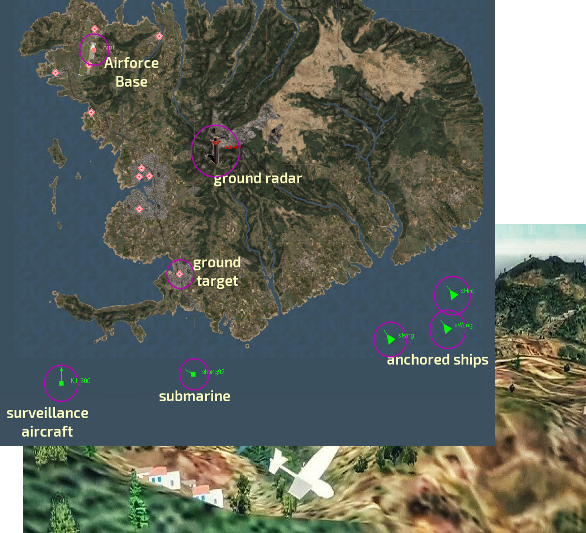
They are not opposing forces, but rather the technology and the testing environment. Key Concepts Compared Dynamic Shield with Drone Swarm: An operational application. A network of defensive drones acts as a moving barrier (or shield) to protect high-value assets (like ships, bases, or VIP convoys) from incoming swarms of attack drones or missiles.

vsTASKER: The evaluation tool. This simulation and scenario-generation software allows military strategists to mathematically model the shield's effectiveness against various attack vectors.
Reference image showing features of vsTASKER
Reference video showing features of vsTASKER
How They Work Together In defense planning, vsTASKER is used to figure out how a Dynamic Shield will perform in the real world. Determining Drone Capacity: The software uses batch simulations to calculate the optimal number of defensive drones required to stop different configurations of enemy attacks.

Testing Algorithms: It tests different coordination and swarm-intelligence algorithms to see how the drones react once they are autonomous and relying only on internal data.

Balancing Effectiveness and Limits: The simulation accounts for practical limitations like battery life, speed, and area coverage to ensure the shield effectively intercepts bombers before they reach a target.If you'd like to explore this topic further, please tell me:Are you interested in defensive drone swarms or the vsTASKER software's other simulation capabilities (like satellites or ground movements)?What specific threat scenario would you like to model or learn about?
Downlaod - Dynamic Shield with Drone Swarm
Request for Trial licence
Download User Guide & reference manual
Core Mechanics of the Use CaseThe simulation evaluates how effectively a local defensive swarm can counter a fast-moving, hostile aerial attack under varying operational constraints.The Threat: Enemy UAV bombers or missiles target a specific zone or asset.The Radar Trigger: Ground-based radar systems detect incoming threats. They initially direct the defensive drones to intercept them.The Defensive Shield (Suicide Drones): The protective swarm is composed of "one-use" kinetic or explosive interceptor drones.Transition to Autonomy: Once launched, the drones shift from ground-radar guidance to pure autonomy. They coordinate in real-time, relying entirely on peer-to-peer data shared inside the cluster.